AI Chatbots for Customer Service: Rethinking Human-Like Conversations in 2025
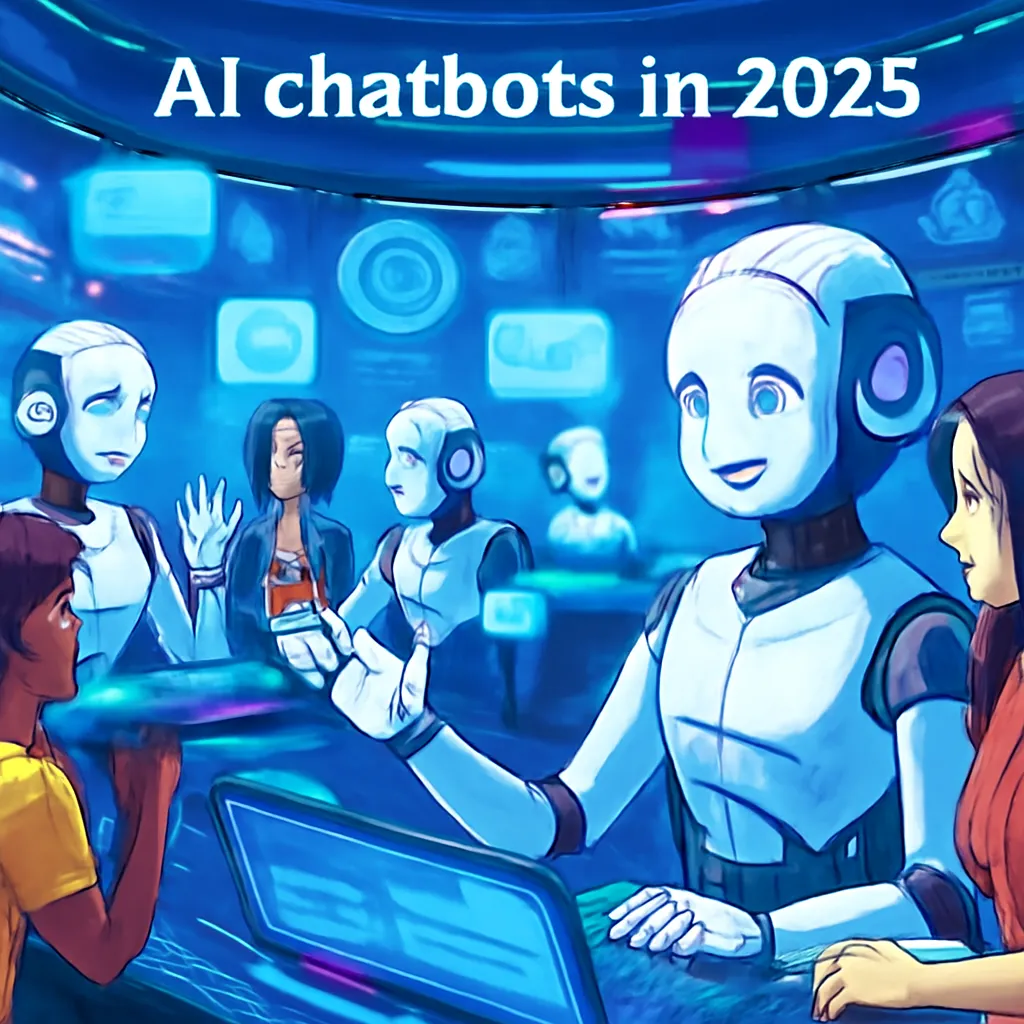
Let me take you back to a phone call I had with a 'customer support rep' last year—who, as it turns out, was an AI. The kicker? I had no idea until the conversation ended (and I flubbed a question about their favorite local coffee shop). That seamless, almost uncanny experience put me down the rabbit hole of what modern AI chat and call assistants can truly do. Now, with platforms like Assistants.ai, we're not just talking about glorified chatbots, but real powerhouses making customer service feel warmer, smarter, and a bit more magical than ever before.
AI Chatbots for Customer Service: The Unsung Heroes of 2025
When I look at the landscape of AI chatbots for customer service in 2025, it’s clear we’ve moved far beyond the days of basic Q&A bots. Today’s conversational AI tools are full-fledged digital assistants—capable of managing complex conversations, automating appointment booking, and handling nuanced follow-ups across multiple channels. The transformation is not just technical; it’s strategic, freeing up human agents to focus on higher-level, value-driven work.
What’s driving this shift? For starters, the rise of the no-code chatbot builder has made deployment accessible for agencies and businesses of all sizes. There’s no longer a need for deep IT expertise or complicated integrations. Platforms like Assistants.ai allow me to activate AI chat and call assistants with just a couple of workflows. The process is so streamlined that even solo agencies can launch sophisticated AI-driven customer service in minutes, not months.
But ease of use is only part of the story. The real magic comes from advances in natural language processing (NLP). Modern AI chatbots now understand slang, interpret sentiment, and even pick up on humor—sometimes better than their human counterparts. This level of conversational intelligence means customers feel genuinely heard, whether they’re texting in English, Spanish, German, French, or even Hindi. Multilingual support is built in, so I can serve a global audience without missing a beat.
Multi-channel presence is another game-changer. AI chatbots aren’t confined to a single platform. They’re present wherever customers are—SMS, Instagram DMs, Facebook Messenger, WhatsApp, live chat, and more. This omnichannel capability ensures that every lead is engaged instantly, and every follow-up is handled without delay. As a result, ticket volumes drop, and customer satisfaction rises.
Research shows that AI assistants now operate 24/7, managing leads, scheduling, and follow-ups with zero downtime. Voice AI is equally impressive, handling inbound and outbound calls at just $0.07 per minute, billed per second. For agencies, this opens up new revenue streams through built-in rebilling options—charging clients for voice minutes and offering white-label solutions that reinforce brand equity.
Integration is seamless, especially with platforms like GoHighLevel. I can connect my AI chatbots, automate CRM updates, and even transfer live calls to human agents when needed. There’s no prompt engineering required; the AI writes the prompt for any niche with just a single line of instruction. Customization is effortless, whether I’m updating contact details, booking appointments, or adapting to unique sales motions.
AI chatbots will be the quiet champions of tomorrow's customer experience—handling complexity with a smile.
- CX industry expert
In 2025, the unsung heroes of customer service are these AI-powered assistants—always on, always learning, and always ready to deliver seamless, human-like conversations across every channel.
Conversational AI Tools: Building Your Brand (and Pipeline) 24/7
In 2025, conversational AI tools have become more than just a support channel—they’re a core part of how agencies build brand equity and drive pipeline growth around the clock. As someone who’s worked with a range of AI platforms, I’ve seen firsthand how customizable AI assistant features can transform not only the customer experience but also the agency’s bottom line.
White-Label Options: Your Brand, Front and Center
The ability to fully white-label conversational AI tools is a game changer. Agencies can infuse every touchpoint with their own logo, color palette, and even custom domains, creating a seamless, unified brand experience for their clients. This isn’t just about aesthetics—it’s about reinforcing trust and professionalism at every interaction. As one agency consultant put it:
White-label conversational AI lets agencies own the client relationship—and the customer experience.
With platforms like Assistants.ai, I can offer clients a dashboard that feels like an extension of their own brand. It’s not just my agency’s name on the login screen; it’s the entire look and feel, from the first chat to the final report.
No-Code, No Hassle: AI Tools That Just Work
Research shows that no-code AI assistant setups are critical for agencies and businesses looking to tailor solutions without hiring developers. With Assistants.ai, setting up an AI call or chat assistant is as simple as two workflows—no Zapier, webhooks, or prompt engineering required. The AI even writes its own prompts for any niche with a single line of instruction.
These tools automate appointment booking, follow-ups, CRM updates, and even custom field entries. That means less admin, faster speed-to-lead, and more time spent on high-value work. And because the system is built for scaling, it adapts to any business model or sales playbook.
Switching Between Top LLM Providers
One standout feature is the ability to switch between leading large language model (LLM) providers. This flexibility lets agencies tailor conversational experiences to specific industries, languages, or customer profiles. Whether it’s handling multilingual queries or adapting tone for different markets, the right LLM can make all the difference.
Rebilling Voice Minutes: From Cost Center to Profit Stream
For agencies managing multiple clients, rebilling voice minutes is a practical way to turn an operational cost into a revenue stream. Voice AI calls are billed at just 7 cents per minute (down to the second), and agencies can set their own markup. This built-in rebilling feature is especially relevant for those running call centers or offering managed AI services.
Subscription plans are flexible, ranging from $97 to $697 per month, with features scaling from solo operators to unlimited sub-accounts. Agencies also get access to unique bonuses—AI Snapshots, private community groups, and custom ChatGPT assistants—that add even more value for clients.
Ultimately, these user-friendly dashboard analytics and customizable AI assistant features empower agencies to engage leads instantly, automate pipeline management, and build lasting brand equity—all while generating new profit streams through rebilling voice minutes.
Multilingual Support and Real-World Adaptability: Why It Matters
When I look at the evolution of AI chatbots for customer service, one feature stands out as absolutely essential: multilingual support. In 2025, it’s not enough for an AI voice assistant to simply understand English. Businesses today operate in a global marketplace, and customers expect to interact in their native language—whether that’s Spanish, German, French, Chinese, Hindi, Portuguese, Japanese, or beyond. The days when multilingual capabilities were a “nice-to-have” are over; now, they’re the baseline for any serious AI chatbots customer service solution.
What’s remarkable is how seamlessly modern voice and chat AI can now switch between languages. With platforms like Assistants.ai, I can deploy assistants that converse fluently in at least seven major languages, and the list keeps growing. This isn’t just about translation—it’s about natural language processing (NLP) that understands context, tone, and intent, so conversations feel authentic and human-like. Research shows that NLP is critical for enabling chatbots to process and respond to human language naturally, supporting truly multilingual interactions.
But the real power of today’s AI voice assistant features goes beyond language. Adaptability is the name of the game. Whether I’m running outbound prospecting campaigns, managing inbound support, or orchestrating complex sales sequences, these AI assistants adapt instantly to any playbook. There’s no need for manual prompt engineering or complicated workflows. With just one line of instruction, I can customize conversational logic for any industry—from healthcare and B2B to retail and beyond.
For agencies, this adaptability is a game-changer. Serving clients across diverse sectors means every customer journey is unique. AI assistants that can shift gears, update CRM records, book appointments, and follow up—all while speaking the customer’s language—offer a level of empowerment that’s hard to match. And with AI conversational workflows now spanning SMS, Instagram DMs, Facebook Messenger, WhatsApp, live chat, and email, the reach is truly multi-channel.
One feature I find particularly compelling is the Voice AI Orb—an interactive voice agent that lives directly on a company’s website. Imagine a visitor landing on your site and instantly engaging with a voice assistant who can answer questions, qualify leads, or even transfer live calls to human agents, all in the visitor’s preferred language. This is where the promise of AI chatbots customer service meets real-world business needs.
Multilingual AI isn't the future—it's right here, removing barriers for genuine global conversations. - Multilingual AI specialist
Assistants.ai exemplifies this new standard. Their assistants switch languages and adapt to any workflow on the fly—no code, no complex prompts, just instant, human-like engagement. As I see it, this level of multilingual support and adaptability isn’t just about convenience. It’s about building inclusive, scalable, and truly global customer experiences—something every forward-thinking business should prioritize.
AI Voice Agents: From Sci-Fi to Seamless Business Utility
The evolution of AI voice agents has been nothing short of remarkable. What once felt like science fiction—machines handling real conversations, qualifying leads, and updating systems—has become a seamless business utility. Today, AI call center solutions are not just about automating simple tasks; they’re about delivering human-like conversations that drive results, often before you even realize the call wasn’t handled by a person.
Let’s break down what this means in practice. Modern voice AI agents are equipped to manage both inbound and outbound calls, qualify leads, and update CRM data in real time. They can autonomously tag and categorize inquiries, ensuring that every customer interaction is logged and actionable. If a conversation requires a human touch, these agents can transfer calls live to a human agent, maintaining context and continuity. The result? Customers experience smooth, uninterrupted service, and businesses benefit from reduced admin and increased efficiency.
One of the most compelling aspects of today’s AI call assist technology is its adaptability. Custom AI skills—sometimes called “tools”—can be plugged in or tailored to fit the unique needs of niche industries. Whether you’re in legal customer care, healthcare, or e-commerce, AI voice agents can be configured to follow your specific playbook, automate appointment bookings, handle follow-ups, and even update contact details conversationally. There’s no need for complex coding or prompt engineering; the system writes the prompt for any niche with just a single line of instruction.
From a pricing perspective, AI voice assistant pricing is designed for scalability. Voice calls are billed at $0.07 per minute, calculated down to the second. This pay-as-you-go model means you only pay for what you use, making it easy to scale up during peak times without worrying about wasted resources. Unlimited AI assistants can be deployed per account, with sub-account limits varying by plan—ranging from solo operators to agencies managing dozens of clients. For agencies, built-in rebilling features allow you to upcharge voice minutes to your clients, creating new revenue streams without additional HR overhead.
Performance tracking is another area where these solutions shine. Instantly available call transcripts and analytics provide actionable insights for coaching and quality assurance. User-friendly dashboards let you monitor AI assistant performance metrics in real time, helping you identify trends, optimize scripts, and ensure compliance. Research shows that these dashboards are critical for continuous improvement, allowing businesses to adapt quickly to changing customer needs and expectations.
The line between human agent and AI voice assistant is thinner than ever—especially when calls just... work. - Voice tech entrepreneur
Assistants.ai is a prime example of this new era. Agencies and businesses can now run an entire call center—lead qualification, support, live transfer—without physical floorspace or extra HR overhead. Multilingual capabilities, integration with popular CRMs, and seamless branding options make these platforms not just powerful, but accessible and easy to deploy. The future of AI voice agents is here, and it’s transforming the way we think about customer service.
The DIY Revolution: No-Code Chatbots and Whimsical Use Cases
When I first explored the world of AI chatbots, I assumed you needed a team of developers and a hefty budget just to get started. Fast forward to 2025, and the landscape has shifted dramatically. Thanks to the rise of the no-code chatbot builder, anyone—yes, even those of us who still fumble with spreadsheets—can launch a sophisticated AI assistant in minutes. The days of wrestling with complex integrations or deciphering cryptic code are over. Instead, intuitive AI conversational workflows and drag-and-drop interfaces have democratized access, allowing businesses of every size to automate customer service, sales, and support.
What’s truly exciting is how these no-code AI assistant setups are fueling creativity. Take Assistants.ai, for example. Their platform lets you “orb” your website with a voice AI orb—imagine a friendly, multilingual voice greeting visitors, qualifying leads, and providing support, all in real time. It’s not just about answering FAQs. Out-of-the-box, customizable AI assistant features now handle appointment bookings, update contact details, and even transfer live calls to human agents when needed. The entire process is conversational, natural, and—most importantly—accessible to anyone willing to experiment.
Research shows that this shift isn’t just about convenience. By lowering technical barriers, no-code chatbot builders empower agencies and entrepreneurs to scale their offerings and personalize their brand experience. White-label options, custom domains, and branded dashboards mean you can deliver a seamless, unified experience to your clients. For agencies, the ability to rebill voice minutes or deploy assistants across multiple sub-accounts opens up new revenue streams and service models.
But let’s not overlook the whimsical side of this revolution. If a local pizza joint can deploy an AI to take orders flawlessly in five languages, what’s stopping us from dreaming bigger? Picture an AI assistant moderating an online debate club, maintaining a perfectly neutral tone and ensuring every voice is heard. Or imagine a virtual open house, where an AI not only describes the home’s features but throws in a bit of local ghost lore for good measure. The possibilities are as quirky as they are practical.
As one startup founder put it:
“DIY AI assistants lower barriers and unleash creativity for businesses of every stripe.”That’s the heart of the movement. No-code tools aren’t just about efficiency—they’re about unleashing ideas that would have seemed outlandish just a few years ago. With platforms like Assistants.ai, the power to build, brand, and scale AI-driven customer experiences is now in everyone’s hands. The DIY revolution isn’t coming. It’s already here, and it’s rewriting the rules of what’s possible in customer service.
TL;DR: AI chatbots and voice assistants are smashing old stereotypes about robotic service. With platforms like Assistants.ai leading the charge, even non-coders can launch deeply personalized, multilingual, and scalable solutions for customer engagement—boosting sales, lead gen, and support while keeping the brand front and center.


Comments
Post a Comment