Beyond the Hype: How AI Assistants Are Quietly Reshaping Content Creation (and My Workflow)
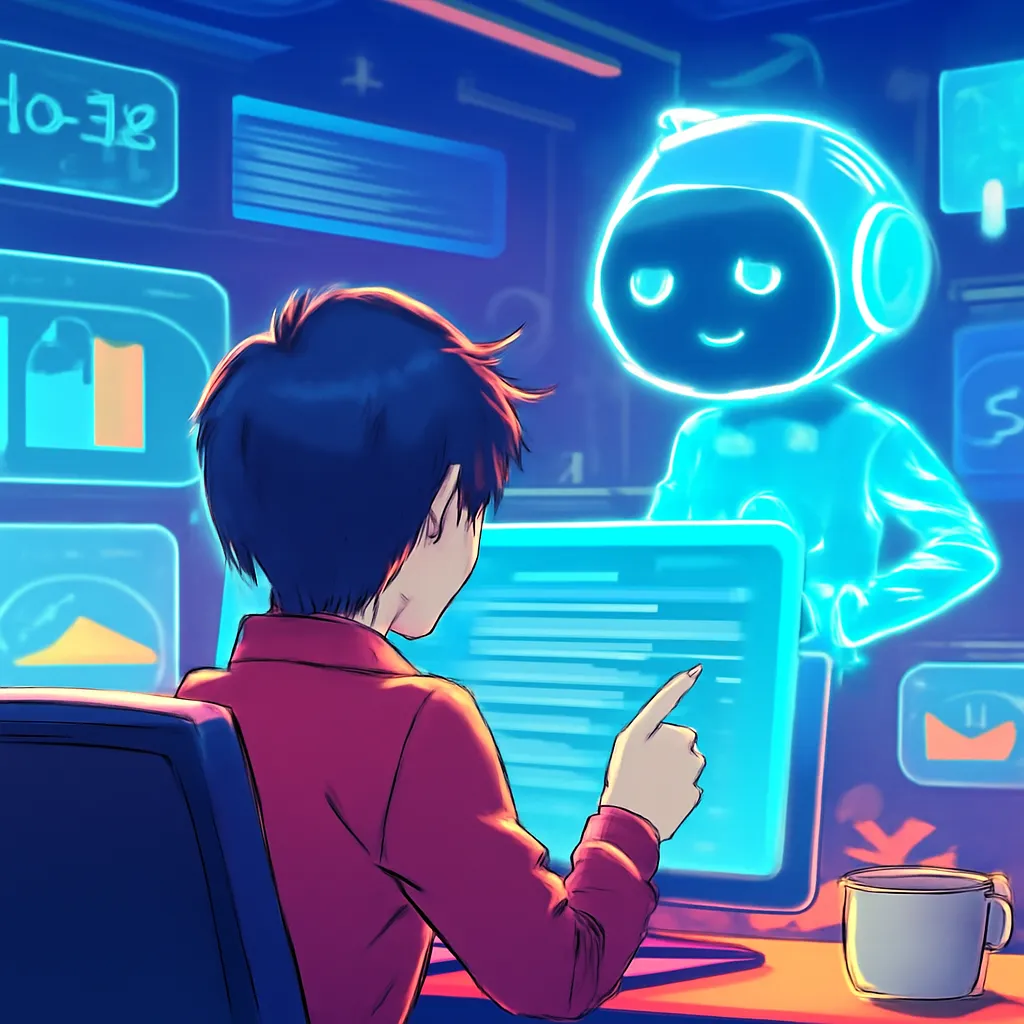
Picture this: it’s Monday morning, I’ve got a looming blog deadline, three client newsletters in the pipeline, and, just for fun, a 60-second product video script to whip up. Pre-pandemic me would’ve been sweating—now, with a trusty AI assistant, it’s just another (weirdly productive) day in content-land. Let’s jump into the wild territory of AI-powered content creation—with all its magic, quirks, and the secret joy of having a digital coworker who never calls in sick.
Confessions of a Reluctant Adopter: My Bumpy Ride with AI Tools for Content Creation
I’ll admit it: I was one of those people who rolled their eyes every time someone mentioned AI tools for content creation. In my mind, “AI content generation” meant soulless, generic fluff—something that might fill a page but never connect with a real reader. I’d seen enough awkward auto-generated emails and robotic blog intros to be skeptical. Could an AI writing assistant really help, or would it just add more noise?
But curiosity (and, honestly, a looming deadline) finally got the better of me. I decided to give GetAssistants.ai a try. The promise? A smart, human-like AI assistant that could whip up blog posts, newsletters, and even social media content in seconds. I figured, why not? At worst, I’d get a laugh out of the results.
What happened next surprised me. I entered a few details about my brand and the kind of post I wanted. Within moments, GetAssistants.ai delivered a draft that was—well, actually useful. Not perfect, but the bones were there: a logical structure, relevant points, and even a bit of personality. The speed was what really got me. I’d spent hours staring at blank docs before, but here I had a solid starting point in less time than it takes to make coffee.
Of course, it wasn’t all smooth sailing. My first attempt at multilingual content generation was a bit of a mess. I’d asked the AI to create a Spanish version of a product announcement. The result? Mostly accurate, but with a few odd turns of phrase that made my native-speaking colleague raise an eyebrow. Lesson learned: even the best AI content generation tools need a human touch, especially when you’re working across languages.
Still, I couldn’t ignore the benefits. The flexibility to create everything from blog posts to newsletters, using custom templates or pre-made ones, was a game-changer. I could generate content for different industries and formats—SEO copywriting, social media, even video scripts—without breaking a sweat. And for businesses aiming for global reach, the ability to quickly produce multilingual content is huge. Research shows that in 2025, multilingual AI content generation is becoming essential for brands with international ambitions.
But here’s the thing: AI isn’t here to replace us. As Ann Handley puts it,
AI-powered writing isn’t about replacing us; it’s about turning good creators into great ones.
That’s exactly how it felt. The real magic happened when I combined the AI’s speed and volume with my own judgment and creativity. I’d tweak phrasing, add insights, and double-check translations. The result? Content that was not just fast, but genuinely engaging and on-brand. In my experience, human + AI beats solo work every time.
Beyond Words: The Odd (and Awesome) Stuff AI Does for Me
Let’s be honest—when I first started using AI assistants, I expected clever chatbots and maybe some help with blog outlines. What I didn’t expect was the wild, sci-fi reality of having an AI quietly handle the “boring” stuff that used to eat up my workday. We’re talking about auto-generating invoices, legal copy, and even managing payment processing. It still feels a little surreal every time I click a button and watch an invoice or contract appear, ready to send. Is this what the future feels like? Maybe. But it’s also just really, really convenient.
One of my favorite discoveries is Magic AI coding assistance. If you’ve ever spent hours tweaking the same script or hunting for a bug that refuses to reveal itself, you’ll know what a game-changer this is. Magic AI doesn’t just spit out code—it helps debug, suggests snippets, and automates repetitive tasks. Suddenly, I’m not stuck in the weeds with endless copy-paste cycles. I can focus on the creative side, knowing the technical heavy lifting is handled. Research shows that these tools are helping developers like me boost productivity and reduce errors, which means more time for the fun (and profitable) stuff.
But it’s not just about writing or coding. The flexibility of custom prompts and templates is where things get really interesting. I’ve experimented with creating my own templates for everything from social media posts to legal agreements. The result? Content that’s tailored to my brand and audience, generated in seconds. And if I want to switch gears—say, from English to Spanish for a global campaign—the AI handles that too. Multilingual content generation is now a must-have, and these platforms deliver.
Monetization is another area where AI assistants have quietly changed the game. With affiliate system AI built right in, I can invite friends, track referrals, and actually see the results. (For the curious: my total referrals so far? $3980.) It’s a win-win: I get rewarded for sharing tools I genuinely use, and the platform grows its user base. Studies indicate that these integrated affiliate systems are helping creators and businesses alike find new revenue streams—without extra hassle.
And let’s not forget payment processing AI. Securely handling transactions, subscriptions, and user access is now baked into the workflow. No more juggling third-party tools or worrying about compliance. It’s all there, working quietly in the background.
Give people the tools, and they’ll build things you could never have imagined. – Steve Jobs
Not every feature lands perfectly—sometimes a template needs tweaking, or a code suggestion misses the mark. But the sheer amount of time saved? That’s what keeps me hooked. The odd, awesome, and sometimes unexpected ways these AI tools work behind the scenes have completely reshaped my workflow. And honestly, I’m not looking back.
The SEO & Social Media Power-Up: How AI Ups My Game (and My ROI)
Let’s be real—keeping up with SEO and social media is a full-time job in itself. But with the latest AI marketing tools 2025 has to offer, I’ve found myself working smarter, not harder. These tools are like having a digital co-pilot who never sleeps, never gets bored, and always has a fresh idea ready to go. Here’s how AI is quietly supercharging my content creation and, yes, my ROI.
SEO Copywriting Tools: Blog Posts That Actually Rank (Without the Burnout)
Remember when writing a blog post meant endless keyword research, structuring, and praying it would rank? Now, AI writing assistants handle the heavy lifting. I simply feed in my topic, a few keywords, and some context about my brand. In seconds, I get a draft that’s keyword-rich, well-structured, and optimized for search engines. No more staring at a blank screen or worrying if I’ve hit the right keyword density.
Research shows that AI content optimization isn’t just about stuffing keywords—it’s about weaving them naturally into engaging, readable content. The result? My posts climb the search rankings, bringing in organic traffic without the late-night stress sessions.
Social Media Posts AI: Captions, Hashtags, and Trend Analysis
Social media is a beast that never sleeps. But with social media posts AI tools, I’m able to create killer captions and hashtags that I’d never dream up solo. These platforms analyze current trends, suggest relevant hashtags, and even tailor my posts for different audiences and languages. Suddenly, my content is more shareable, more engaging, and—let’s be honest—a lot more fun to create.
There’s something magical about seeing a post take off because the AI nailed the timing, the tone, and the hashtags. It’s like having a social media strategist in my back pocket, always ready with the next viral idea.
User Behavior Tracking: The Nerdy Side I Secretly Love
Here’s where things get really interesting. User behavior tracking within these AI platforms lets me see exactly what’s working (and what’s not). I can monitor traffic, user engagement, conversions, and even spending—all in one dashboard. This isn’t just about vanity metrics; it’s about understanding my audience on a deeper level and tweaking my AI marketing campaigns for maximum impact.
Studies indicate that this level of data-driven insight enables better targeting and personalization. I can see which blog posts drive the most sign-ups, which social posts spark conversations, and where my marketing dollars are actually making a difference.
The best marketing doesn’t feel like marketing. – Tom Fishburne
With AI, that’s exactly how it feels. My workflow is streamlined, my content is sharper, and my results speak for themselves. The hype is real—but it’s the quiet, behind-the-scenes power of these tools that’s truly changing the game.
Templates, Prompts, and (a Few) Tangents: My Creative Hacks for Getting the Most from AI Assistants
If you’ve ever stared at a blank page, waiting for inspiration to strike, you know the pain of content creation. That’s where AI writing assistants—especially Custom GPTs—have become my secret weapon. Over the past year, I’ve discovered that the real magic of content generation isn’t just in the AI’s raw power, but in how you guide it. For me, that means starting every project with a template. Not just any template, but one tailored to the quirks of my industry, my brand, or even my mood that day.
Why templates? Simple: they’re the ultimate shortcut. In the words of Austin Kleon,
Creativity thrives on well-placed shortcuts.
And honestly, he’s right. Customizable templates speed up content creation, especially for niche industries where generic copy just doesn’t cut it. I’ve built a library of templates for everything from SEO copywriting to legal customer care emails. Some are pre-made, others I’ve cobbled together after a late-night brainstorm or a wild prompt experiment gone wrong (or right).
Custom GPTs and the Art of the Prompt
Here’s where things get interesting. Once you have a solid template, the next step is prompt engineering. I’m not afraid to get a little weird with my prompts—sometimes I’ll ask my AI assistant to write a product review as if it’s a movie script, or generate a newsletter in the style of a famous author. Sure, some of these ideas flop spectacularly, but more often than not, they spark new thinking. That’s the beauty of AI content ideation: you can experiment endlessly, and even the failures teach you something.
One coffee-fueled night, I accidentally invented a new template for long-form writing that became my team’s go-to for blog posts and newsletters. It started as a joke—“Let’s see if the AI can write a how-to guide in pirate speak”—but the structure we landed on was so clear and engaging that we now use it (minus the pirate lingo) for serious projects. That’s the kind of serendipity you only get when you’re willing to play with prompts and let the AI surprise you.
Onboarding, Collaboration, and Scaling Up
Another underrated hack: templates and prompt banks make onboarding new team members or clients a breeze. Instead of explaining your entire process, you just hand them a set of proven templates and a few prompt examples. Suddenly, everyone’s on the same page—and your AI writing assistant becomes a true co-pilot, not just a tool.
Research shows that ChatGPT and custom GPTs remain central to content, sales, and support workflows. They’re adaptable, scalable, and—when paired with the right templates—capable of generating high-quality, brand-specific content in seconds. Whether you’re writing social media posts, coding scripts, or multilingual newsletters, the right template can turn a blank page into a launchpad for creativity.
A Few Glitches & A Wishlist: What I’d Change About AI Content Creation Tools
If you’ve spent any time in the AI assistants category lately, you know the hype is real. These tools are everywhere—helping us churn out blog posts, AI-generated newsletters, and even full-blown marketing campaigns. But let’s get honest for a minute. As much as I love the speed and cost-effective AI solutions these platforms offer, there are a few quirks that still make me raise an eyebrow (or two).
First up: translation. The promise of multilingual content generation is huge, especially for businesses trying to reach a global audience. But sometimes, when I feed technical jargon into an AI content optimization tool, what comes out is… well, let’s just say it’s creative. I’ve seen AI invent words that don’t exist in any language, let alone the one I asked for. It’s a reminder that while AI content for industries is getting smarter, there’s still a gap when it comes to nuance and context—especially in specialized fields.
Then there’s the affiliate system. Don’t get me wrong, I love that many AI platforms now offer full affiliate and referral systems. It’s a smart way to monetize and expand user bases. But as someone who likes to keep a close eye on performance, I find the reporting a bit lacking. I want more transparency—real-time stats, clearer breakdowns, and maybe even some predictive analytics. Affiliate marketing thrives on data, and right now, the numbers just aren’t as rich or actionable as I’d like.
Customer support is another area where AI shines… and sometimes stumbles. Chatbots are fast, polite, and available 24/7. But when I try to inject a little humor or toss in a pun, the responses can be hilariously off-base. There’s a certain finesse to human conversation—especially when it comes to tone and empathy—that AI still struggles to master. It’s a small thing, but it matters when you’re building trust with users.
Looking ahead, my wishlist for 2025 is ambitious. I want smarter language nuance, so AI can handle not just what I say, but how I say it. Real voiceover options would be a game-changer for video and podcast creators. And deeper industry tailoring? Yes, please. Imagine AI content generation that truly understands the quirks of your niche, whether you’re in tech, fashion, or legal services.
Despite these glitches, I’m genuinely excited about where AI content optimization is headed. Research shows that cost-effective AI solutions are already helping businesses scale content creation and automate marketing. AI-generated newsletters are streamlining how we connect with audiences. But as Matt Mullenweg wisely said,
Technology is best when it brings people together.
Here’s hoping the next wave of AI assistants brings us even closer—to our audiences, our goals, and maybe even a few better puns along the way.
TL;DR: AI assistants like GetAssistants.ai aren’t just flashy gadgets—they’re reshaping how creative work gets done. From lightning-fast multilingual content to seamless affiliate systems and clever coding helpers, these tools add real power to any creator’s arsenal. Dive in to see real-world stories, practical perks, and why the future of content might be both stranger and better than you think.


Comments
Post a Comment