Confessions of a Content Creator: How AI Became My Secret Weapon (and Sometimes, My Co-Writer)
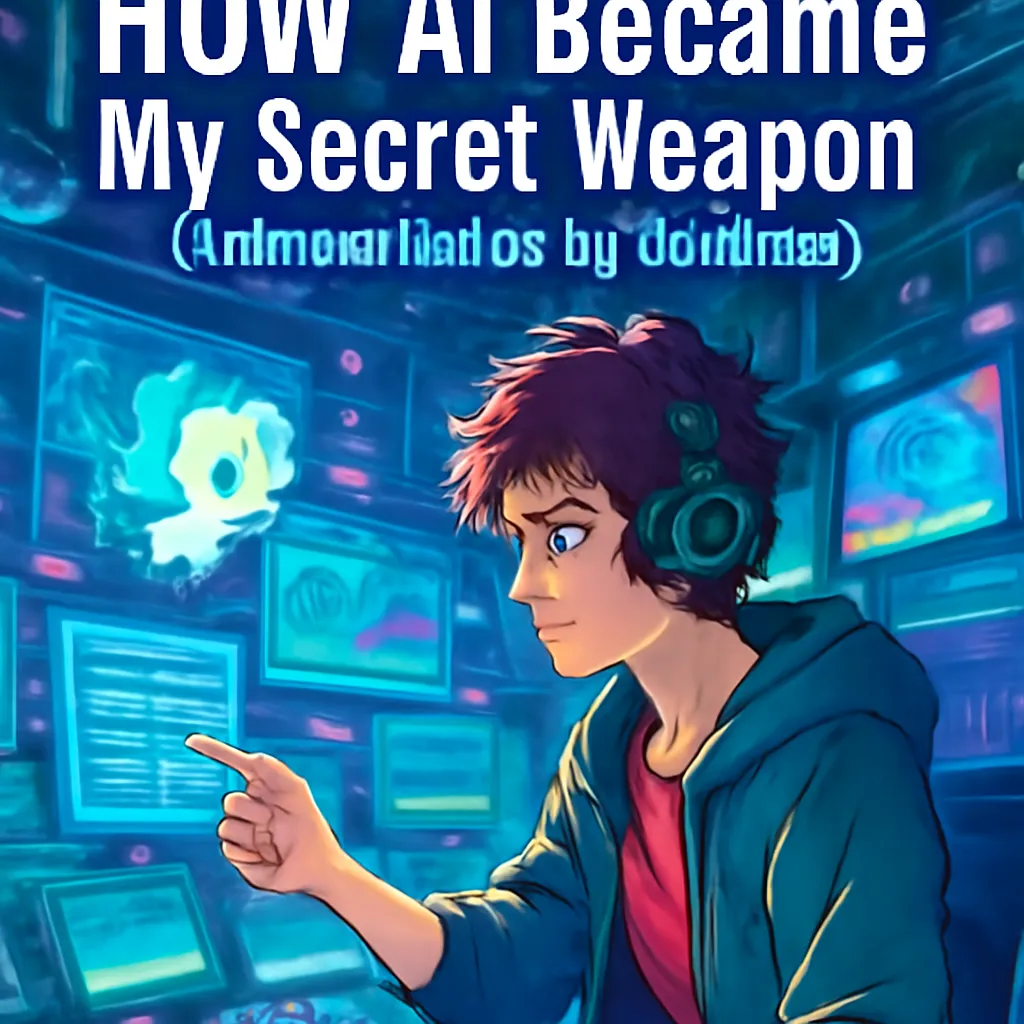
If you’d told me three years ago that I’d be spending part of my mornings chatting with an AI about blog headlines, I’d have laughed into my fourth cup of coffee. Yet here we are! Let me take you on a journey—from the first clumsy experiment with a robot writing assistant to the moment I realized this tech isn’t about replacing humans, but about making us faster, sharper, and sometimes, just a tad more imaginative. (Also: AI once tried to rhyme orange. Reader, it did not succeed.)
The Day I Gave Up Perfection: Embracing AI Content Generation
Confession time: I used to obsess over every word, every comma, every headline. My drafts were graveyards of “almost there” paragraphs, each one tweaked and polished until I could barely remember what I wanted to say in the first place. Then, one day, I tried an AI content generator—and everything changed.
It started as an experiment. I’d heard about AI writing assistants like Jasper, Copy.ai, and GetAssistants.ai, but I was skeptical. Could a machine really help me create something worth reading? I plugged in a few details about my idea, hit “generate,” and waited. In seconds, a draft appeared. It wasn’t perfect. It wasn’t even close. But it was… oddly liberating.
Suddenly, I wasn’t staring at a blank page. The pressure to be perfect from the start was gone. Research shows that AI content generators offer rapid first drafts, freeing creators from perfectionism and boosting productivity. I could see it happening in real time. The AI gave me a messy, enthusiastic first take, and my job was to shape it, add my voice, and make it sing. Or, as Ann Handley puts it:
'Let AI handle the first draft; your job is to make it sing.' – Ann Handley
Of course, letting go of perfection didn’t mean letting go of quality. There’s an art to balancing raw AI content generation with a human voice. It’s a dance, not a battle. Sometimes the AI nails a phrase I never would have thought of. Other times, it spits out something hilariously off-base—like the time it titled my blog post “Unicorns and User Interfaces” by accident. I almost deleted it. But curiosity won, and I published it anyway. To my surprise, it went viral. Readers loved the quirky title, and I learned that unexpected AI creativity can be a secret weapon.
What really sold me, though, was the speed. I could generate content in seconds, in multiple languages, and for almost any format—blog posts, social media, even video scripts. The cost? Far less than hiring a team of writers. Platforms like GetAssistants.ai offer cost-effective AI solutions with custom templates, affiliate systems, and even payment processing. My referral earnings hit $3980 before I knew it. It’s not just about saving time; it’s about expanding what’s possible.
Now, I see AI writing assistants as my co-pilot. Sometimes they surprise me, sometimes they need a little steering. But together, we create faster, reach more people (thanks to multilingual content generation), and—most importantly—I’ve finally given up on perfection. Turns out, good enough (with a dash of AI magic) is often more than enough.
Behind the Curtain: The Real Impact on Teamwork and Workflow
Let’s be honest: when AI first landed in our content team, I half-expected it to be a silent, slightly awkward intern—helpful, but mostly just watching from the sidelines. Instead, it turned out to be more like a whole new department (shoutout to Joe Lazauskas for nailing it:
'AI isn’t a coworker, it’s a whole new department.'). And wow, did it shake up our workflow in ways I never saw coming.
Brainstorm Sessions: Powered by AI (and Less Coffee)
Remember those endless brainstorms where we’d circle the same three ideas until someone caved and fetched more coffee? Now, with AI-powered content creation tools and ready-to-go content templates, our sessions are turbocharged. The AI throws out ideas faster than we can jot them down—sometimes wild, sometimes genius, always unexpected. Coffee runs? They’re shorter now, because we’re actually getting somewhere.
Assigning Roles: The Intern, The Editor, The Idea Machine
Our workflow has shifted from everyone doing a bit of everything to a real division of labor—between humans and AI. Here’s how it usually breaks down:
- The Intern: AI drafts first versions, pulling from custom or pre-made templates for everything from blog posts to social media captions.
- The Editor: That’s us—polishing, adding the human touch, making sure the tone feels right.
- The Idea Machine: AI again, generating headlines, hooks, and even quirky hashtags. Sometimes it’s a hit, sometimes it’s hilariously off-base (but hey, that’s half the fun).
Collab Gone Wild: When Templates and Affiliate Systems Collide
Here’s where things get interesting. Our user-friendly dashboard lets us create and share custom templates, so everyone’s on the same page—literally. But the real game-changer? The affiliate system. Not only does it track and reward referrals, but it’s also become a motivator. Suddenly, team members are eager to try new tools and templates, knowing there’s a little extra in it for them if they bring others on board. Research shows that integrating affiliate and referral systems boosts workflow motivation, and I can vouch for it—our Slack is now full of “try this template!” messages.
Creative Chaos Meets Efficiency
Of course, it’s not all smooth sailing. Sometimes, the sheer number of templates and AI-generated drafts can feel like creative chaos. But honestly? That’s where the magic happens. We’re collaborating more, bouncing ideas off both each other and the AI, and the end result is content that’s sharper and more diverse. Plus, with dashboards and templates designed for all skill levels, even the least tech-savvy on our marketing teams can dive right in.
Wild Card: If My AI Had a Favorite Emoji…
Okay, quick debate: if your AI assistant had a favorite emoji, what would it be? Mine’s a tie between 🤖 and 💡. Because honestly, it’s part robot, part lightbulb moment—just like our new workflow.
SEO, Analytics, and the Pursuit of Reach: The Nerdy Side of AI Content Tools
Let’s be honest—there’s a certain thrill in watching numbers climb. As a content creator, I used to hit “publish” and just… hope for the best. But once I started using AI tools for SEO and analytics, everything changed. Suddenly, I wasn’t just guessing. I was peeking into the numbers—real-time traffic, user behavior tracking, even sales revenue. It was like switching on the lights in a room I’d been stumbling through for years.
With AI content optimization, I could see which posts were pulling in eyeballs and which ones were quietly gathering dust. I started tracking bounce rates, click-throughs, and even how long people stuck around to read. It’s almost addictive, this data-driven optimization. Every tweak, every headline, every image placement became an experiment. And the best part? The results were right there, updating in real time.
‘SEO Mode’ Adventures: Headlines That Work for Humans and Algorithms
Now, let’s talk about the magic of “SEO Mode.” Most AI tools for SEO come with built-in optimization features—think custom templates, headline generators, and keyword suggestions. I’d feed in a topic, and the AI would spit out a headline so catchy, even I wanted to click it. But here’s the trick: these tools don’t just optimize for search engines. They help you write for real people, too. The best SEO optimized content finds that sweet spot between what Google loves and what humans actually want to read.
Research shows that integrated analytics and SEO tools can seriously improve your content’s visibility and performance. When you automate headline generation and content tweaks, you’re not just saving time—you’re giving your work a fighting chance to be seen. As Rand Fishkin puts it:
"Your content only works if it gets seen. AI figures out the how."
Bloopers, Learning Curves, and the Robot TED Talk
Of course, it hasn’t all been smooth sailing. I’ll admit: I once optimized a post so aggressively, it sounded like a robot giving a TED Talk. Every sentence was stuffed with keywords, every paragraph felt engineered. Sure, it ranked well—for a minute. But readers bounced faster than I could say “data-driven optimization.” Lesson learned: there’s a fine line between smart SEO and losing your authentic voice.
Modern AI content tools are packed with features—user behavior tracking, SEO copywriting, even templates for blog posts, social media, and newsletters. You can monitor a wide range of data points and adjust your strategy on the fly. The key is balance. Use the analytics, embrace the optimization, but don’t forget the human touch. Because at the end of the day, it’s not just about reaching people—it’s about connecting with them.
Too Many Hats: AI for Newsletters, Social Media, and—Yes—Programmers
There’s a moment every content creator faces: you stare at a blank screen, the cursor blinking like a dare. Newsletter creation? Social media content? Coding and video script writing? All due yesterday. That’s when I realized I was wearing too many hats—and most of them didn’t fit. Enter AI-powered marketing copy tools, my not-so-secret weapon (and sometimes, my co-writer).
Let’s start with newsletters. I used to dread them. My banter felt forced, my updates stale. Then, on a whim, I fed my rough ideas into an AI platform. Within seconds, it returned a draft that was not only coherent but actually funny. It even suggested subject lines that made my open rates jump. Research shows that AI-generated newsletters boost engagement with tailored content, and I saw it firsthand: more clicks, more replies, and—best of all—less time spent agonizing over every word.
But it didn’t stop there. Social media content was next. I’d been stuck in a rut, recycling the same tired hashtags and captions. One day, I let the AI take the wheel. It spit out a quirky post with a hashtag I never would have thought of. I almost didn’t post it. But I did—and it snowballed into my best campaign in months. The engagement was wild. Comments, shares, even a few DMs asking if I’d hired a new copywriter. (I hadn’t. Unless you count my AI assistant.)
What surprised me most was the versatility. Modern AI isn’t just about words—it’s about workflow. I started using it for coding and video script writing, two tasks I’d always considered “non-writerly.” Need a quick code snippet for a landing page? The AI had it ready before I could finish my coffee. Video script for a product launch? Done. Complete with scene directions and punchy dialogue. Platforms like GetAssistants.ai and others now offer templates for everything: blog posts, emails, product descriptions, even legal documents. It’s like having a Swiss Army knife for content.
And the best part? It’s all in one place. No more juggling five different tools or paying for a dozen subscriptions. Single AI platforms now serve multiple creative needs, from newsletter creation to coding and video script writing. Many even support multiple languages, SEO optimization, and user behavior tracking—features that used to be reserved for big-budget agencies. Now, they’re accessible to freelancers and small businesses alike.
‘Good AI is like duct tape: unexpectedly useful in a pinch.’ – Joanna Wiebe
So, whether I’m battling banter blocks or racing a deadline, AI-powered marketing copy has become my go-to. It’s not just about saving time—it’s about unlocking creativity across every format. From classic newsletters to the latest TikTok script, AI is the multi-tool I never knew I needed.
Future-Proofing My Creativity: AI as a Safety Net, Not a Crutch
Let’s be honest: before I started using AI, I was skeptical. Sure, I’d heard the buzz about cost-effective AI solutions and user-friendly dashboards, but I worried—wouldn’t relying on AI make my work less… well, mine? Turns out, I had it all wrong. AI hasn’t replaced my creativity; it’s given it room to breathe.
Here’s the thing: as a content creator, my days used to be a blur of drafting, researching, editing, and (let’s not forget) endless admin. But when I brought AI into my workflow, something unexpected happened. Suddenly, I had time to brainstorm wild ideas, dive into deeper research, and even—gasp!—take actual breaks. The AI handled the repetitive stuff: generating first drafts, optimizing for SEO, and even managing my social media captions. I was left with the fun part: shaping the story, adding personality, and making sure every piece felt authentically me.
But let’s address the elephant in the room: Will AI replace creativity? Or is it just filtering out the boring stuff so we can focus on what matters? From my experience, it’s the latter. The best AI tools don’t try to steal the spotlight. Instead, they act as a safety net, catching the tedious tasks so I can soar higher. I still get to make the big creative calls—AI just helps me get there faster and with less stress.
One unexpected perk? Project management became… weirdly fun. With features like user behavior tracking and spending monitors, I could see exactly where my time (and money) was going. The user-friendly dashboard let me control access for collaborators, track project budgets, and even manage payment processing securely through integrated gateways. Suddenly, keeping tabs on my projects wasn’t a headache—it was empowering. Research shows that these administrative tools make creative projects more manageable and budget-friendly, which is a game-changer for freelancers and small teams.
And let’s not forget the peace of mind. Knowing that payment processing is secure and that I can monitor user spendings means fewer surprises and more control. It’s like having a backstage pass to my own creative process. I can invite collaborators, assign roles, and keep everything running smoothly—all from one dashboard.
Of course, I still keep a healthy dose of skepticism. AI is evolving fast, and it’s important to stay curious and critical. But the excitement outweighs the worry. As Paul Roetzer put it,
"The future of creativity is collaboration—with humans and machines."
That’s exactly how I see it. AI isn’t my crutch—it’s my co-pilot. It frees me up to do what I love: create, experiment, and push boundaries. And as these tools get smarter, I’m not worried about being replaced. I’m excited to see how far we can go—together.
TL;DR: AI content tools aren’t just gadgets—they’re game-changers for creativity, efficiency, and growth. Dive in, experiment, and don’t be afraid to let a little robot into your writer’s room.


Comments
Post a Comment