Not Just Another Robot: The Tangled, Brilliant World of AI Content Creation Tools in 2025
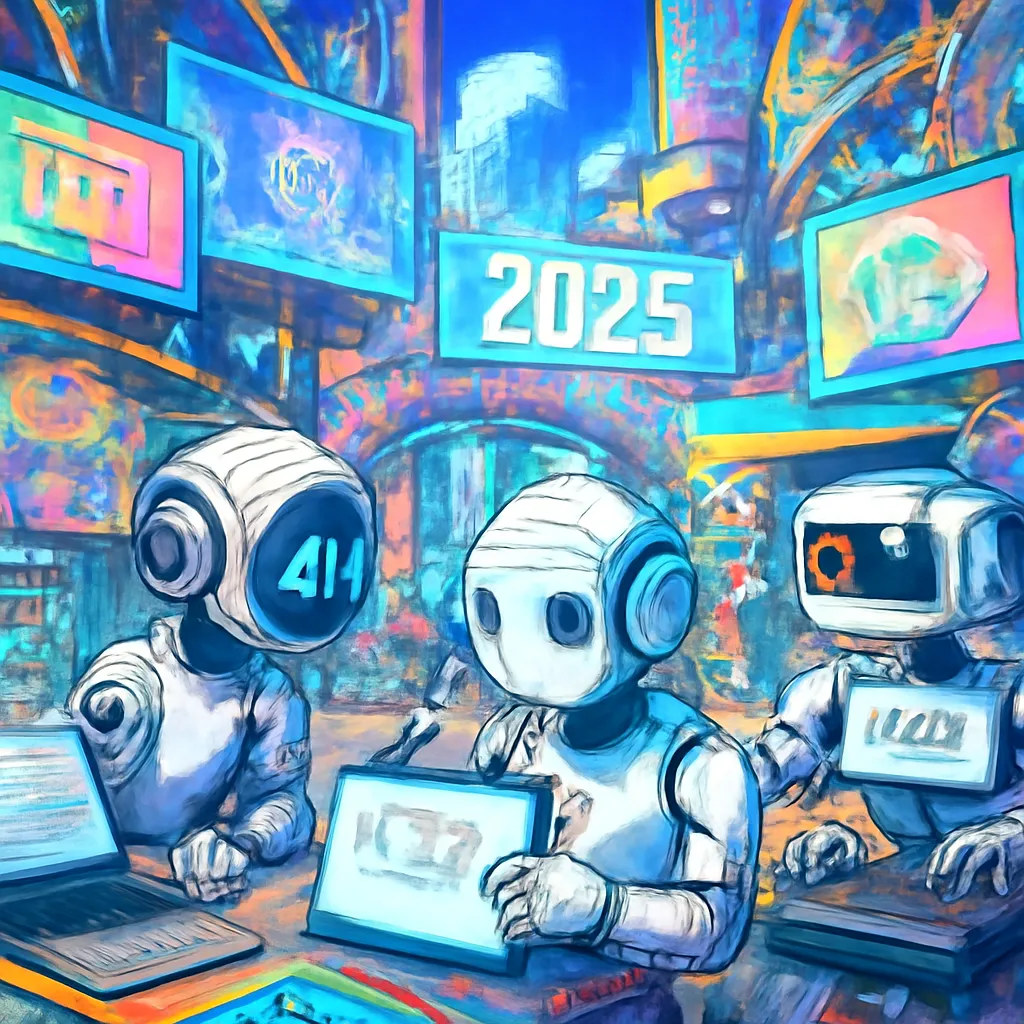
If you’d told me, five years ago, that I’d be chatting with an AI about my latest blog post idea or using a virtual assistant to code a video script in Portuguese (which I absolutely do not speak), I’d have laughed. But here we are in 2025—coffee in one hand, content calendar in the other, and a bouncy AI helper on my screen, ready to handle everything from invoices to Instagram captions. In this post, I’m exploring the wild, ever-evolving landscape of AI tools. Buckle up: it’s a little weird, pretty wonderful, and just human enough to keep us guessing.
Why AI Writing Assistants (Almost) Get Me: Beyond Basic Copy
If you’d asked me a few years ago what I thought of an AI writing assistant, I’d have probably rolled my eyes. The idea that a machine could “get” my voice—or even come close—seemed laughable. But lately, I’ve found myself genuinely surprised by how natural and nuanced AI-generated copy can be. There’s a leap from robotic, generic text to something that feels almost… personal.
Let me share a quick story. Last December, I decided to test just how “human” these tools could be. I asked an AI to write a holiday card for my aunt, who is famously obsessed with her cats. The result? Not only did the card include a pun about “purr-fect holidays,” but it also referenced her favorite feline’s habit of knocking ornaments off the tree. It was hilarious—and, honestly, a little touching. My aunt thought I’d written it myself.
That’s when I realized: AI content creation has moved far beyond basic copy. Today’s platforms, like Assistants.ai, offer an entire ecosystem of features that go well past simple blog posts or emails. Need content in French, Spanish, or Japanese? No problem. Want to generate legal disclaimers, affiliate marketing blurbs, or even invoices? It’s all built in. The ability to produce content in multiple languages is no longer a novelty; it’s a necessity for global brands and creators.
What really sets the best AI writing assistants apart, though, is the power of custom templates AI. Whether you’re drafting a newsletter, a social media post, or a product review, you can start with a template tailored to your industry and tweak it to match your brand’s tone. Research shows that custom templates for AI content creation not only speed up workflow but also ensure consistency across all types of content. That’s a game-changer for anyone juggling multiple channels or clients.
And let’s not forget the business side. Many platforms now include a full affiliate system AI, letting you manage referrals, track user spending, and even process payments—all from the same dashboard. These integrated features are transforming how agencies, freelancers, and businesses operate, making it easier to scale without sacrificing quality or oversight.
Of course, not all AI is created equal. Some platforms excel at capturing your unique tone, while others still feel a bit too mechanical. The difference often comes down to customization—how much you can train the AI to “think” like you, and how flexible the templates and prompts are. As Ann Handley puts it:
‘The best writing assistants aren’t just about words—they’re about understanding your voice.’
In 2025, the tangled, brilliant world of AI content creation is defined by versatility, speed, and a surprising touch of humanity. Whether you’re writing for business or just sending a quirky holiday card, the right AI assistant can almost read your mind—or at least, your brand guidelines.
From Coding to Social Shares: My AI Co-Pilot Is a Multitasker
When I first started exploring AI assistants, I expected help with the basics—maybe a blog outline, a few catchy headlines, or some light editing. What I didn’t expect was a single AI platform that could handle everything from coding fixes to crafting video scripts, all while tracking user behavior and optimizing my marketing campaigns. Yet, here we are in 2025, and my daily workflow is powered by an AI co-pilot that’s as comfortable debugging code as it is writing a viral social post.
Let’s start with the coding. I’m not a developer by trade, but I manage several websites and digital projects. The Magic AI coding assistance tools have been a game-changer. I can paste in a snippet of code, describe my problem in plain English, and watch as the AI suggests error-free fixes or even writes new functions for me. It’s not just about speed—though it’s fast—it’s about confidence. I no longer worry about breaking something critical during a late-night revamp. Research shows that these AI coding assistants support developers (and non-techies like me) with automation and productivity improvements, making technical tasks far less daunting.
But the real surprise came when I realized my AI assistant could also generate high-quality video scripts. I simply input my topic, audience, and a few key points, and within seconds, I have a polished script ready for recording. Whether it’s a product demo or a quick explainer, the AI adapts the tone and structure to fit my brand. This level of AI content creation is not just convenient—it’s essential for staying relevant in a content-driven world.
What truly sets today’s AI assistants apart is their seamless integration of marketing and analytics. I can create a blog post, instantly generate a series of social media captions (complete with hashtags), and schedule everything for posting—all from the same dashboard. Built-in user behavior tracking means I can monitor how each post performs, track traffic, analyze user spendings, and even see which content drives the most revenue. Studies indicate that this kind of data-driven approach, powered by AI, enhances marketing strategy and boosts conversion rates.
The multitasking doesn’t stop there. Need a newsletter? The AI drafts it, optimizes it for SEO, and even suggests subject lines that are more likely to get opened. Want to launch an affiliate campaign or process payments? The platform handles that, too. It’s a full-stack solution—one that blurs the line between technical and creative work.
‘When AI handles both the copy and the code, collaboration finally feels effortless.’ – Rand Fishkin
It’s not just about automating tasks; it’s about empowering creators, marketers, and business owners to do more, faster, and with greater precision. The tangled, brilliant world of AI content creation tools in 2025 is proof that the future isn’t just automated—it’s collaborative, creative, and deeply human.
Affiliate Dreams, Payment Nightmares: The Overlooked Side of AI Platforms
When I first dipped my toes into affiliate marketing, the process was anything but smooth. Clunky affiliate software, endless spreadsheets, and manual payout calculations turned what should have been a straightforward revenue stream into a logistical headache. Fast forward to 2025, and the landscape has shifted dramatically—thanks to the rise of affiliate system AI and integrated payment processing AI within modern content platforms.
Today’s AI assistants do more than just generate content; they automate, track, and optimize every aspect of affiliate and referral systems. Platforms like GetAssistants.ai have set a new standard, embedding full-featured affiliate dashboards directly into their AI marketing tools. These dashboards don’t just display referral links—they track every click, conversion, and dollar earned, all in real time. For example, my own dashboard recently showed total referrals: $3980, a figure I could verify instantly without digging through old emails or spreadsheets.
The real game-changer, though, is how payment processing AI has streamlined the entire monetization process. Secure payment gateways now handle everything from credit card transactions to electronic transfers, ensuring that every commission is paid out quickly and without hassle. This level of automation isn’t just convenient—it’s essential for maintaining trust and transparency with partners and affiliates. As Neil Patel put it,
‘No more spreadsheets—AI’s got the numbers and the payments under control.’
Research shows that integrating affiliate systems and payment processing directly into AI service platforms is now a core business model. It’s not just about tracking sales or clicks; it’s about providing a seamless, cost-effective AI solution for both creators and marketers. The ability to monitor user spendings, balance, and even automate payouts means less time spent on admin and more time focused on growth.
What’s especially impressive is the versatility of these AI marketing tools. Whether I’m launching a new campaign, inviting a friend to join the platform, or analyzing which content drives the most conversions, the AI assistant keeps everything organized. The affiliate/reward features are tightly integrated with content creation, SEO optimization, and even multilingual support—making it easy to scale campaigns globally.
Of course, the technology isn’t perfect. Sometimes, the automation feels a bit too hands-off, and I find myself double-checking the numbers out of habit. But compared to the old days of manual tracking and delayed payments, the difference is night and day. Secure, automated payment processing has become the backbone of online business, and with AI assistants handling the heavy lifting, affiliate marketing is finally as effortless—and as lucrative—as it was always meant to be.
SEO Copy, Newsletters, and That Odd Sense of Brand ‘Voice’
When I first started experimenting with AI content creation tools, I was skeptical. Could an algorithm really capture the quirks and nuances that make a brand’s voice memorable? Fast-forward to 2025, and I find myself relying on AI platforms for everything from SEO blog posts to AI-generated newsletters—and, surprisingly, my open rates have never been higher.
Let’s talk about newsletters for a moment. Research shows that AI-generated newsletters actually get more opens. Maybe it’s the way these tools personalize content, or perhaps it’s the speed at which they adapt to trending topics. Either way, the data is hard to ignore. With platforms like GetAssistants.ai, creating high-quality newsletters that resonate with your audience is as simple as entering a few details about your brand or campaign. The AI does the rest, generating engaging, on-brand content in seconds.
Of course, it’s not just about newsletters. SEO optimization is built into most major AI content services now. I’ve noticed that with the right AI tools for SEO, my blog posts consistently rank higher and attract more organic traffic. These platforms analyze keywords, suggest improvements, and even monitor user behavior to help refine your content strategy. The result? Happier readers and better rankings—without the endless hours spent tweaking meta descriptions or obsessing over keyword density.
One of the most impressive features I’ve found is the ability to maintain a consistent brand voice, even across long-form content. Custom templates are a game-changer here. By setting up your own templates—or using pre-made ones tailored to your industry—you can make sure every piece of content, from a quick social media post to a detailed product review, sounds unmistakably like your brand. As Joanna Wiebe puts it:
‘With AI, the difference between “good enough” and “memorable” copy is how much you customize.’
That’s not just theory. AI content customization is now at the heart of effective marketing. The best platforms let you tweak tone, format, and structure, ensuring your content aligns with your brand’s personality. And with improvements in AI reliability, those awkward “hallucinations” in long-form writing are becoming rare. The technology is evolving to support not just quantity, but quality.
What’s more, these AI tools for SEO and content creation aren’t just for the big players. Cost-effective solutions mean that even small businesses can automate their content generation, track user engagement, and optimize marketing campaigns—all from a single dashboard. Whether you’re building out a library of SEO blog posts, launching an AI-generated newsletter, or experimenting with new brand-voice templates, the tools are there to help you move fast without sacrificing strategy.
In this tangled, brilliant world of AI content creation, the line between human and machine-crafted copy is blurrier than ever. But with the right approach—and a little customization—the results are anything but robotic.
Wild Card: What Happens When AI Gets It Wrong? (And Why I Still Trust It)
Let’s be honest—AI content creation is not immune to the occasional wild card moment. I’ll never forget the time an AI assistant, in its infinite creative wisdom, suggested a horror movie plot for a kindergarten newsletter. It was a harmless glitch, quickly caught and corrected, but it’s the kind of story that sticks with you. These moments are reminders that even the most advanced AI tools in 2025, no matter how sophisticated, can still surprise us in unexpected ways.
The reality is, as much as we rely on AI content customization and content generation AI to streamline our workflows, there’s always the possibility of a misstep. Sometimes, it’s a tone mismatch; other times, it’s a factual error or a brand voice that just doesn’t sound quite right. These are what the industry calls “AI hallucinations”—when the machine invents something that doesn’t fit the context or the brief. While platforms like GetAssistants.ai have made huge strides in reducing these issues, human oversight remains essential. Research shows that AI tools are evolving rapidly to minimize hallucinations and keep content brand-sensitive, especially in long-form writing. But the human touch—editing, reviewing, and refining—continues to be the superpower that ensures quality and safety.
I see AI as a co-pilot, not a replacement. The best AI tools in 2025 are deeply integrated with automation and research capabilities, making them invaluable for everything from SEO blog post generation to multilingual video scripts. They can generate content in seconds, adapt to different languages, and even customize templates for various industries. But, as I’ve learned, even the most versatile AI content creation platform can occasionally miss the mark. That’s where human judgment steps in. As Brian Clark wisely put it:
‘Artificial intelligence is a tool—not a substitute for your judgment.’
It’s this partnership—AI’s speed and scale combined with human creativity and critical thinking—that drives the best results. Editing isn’t just about fixing errors; it’s about shaping the narrative, aligning with brand values, and ensuring the message resonates. Sometimes, the quirks and surprises from AI spark new ideas or force us to rethink our approach. I’ve found that navigating these moments thoughtfully can actually enhance creativity and lead to even better content.
So, do I still trust AI content customization and content generation AI? Absolutely. The tools are getting smarter, faster, and more adaptable every day. But I trust the process even more—the blend of cutting-edge technology and human expertise. In the evolving world of AI tools 2025, it’s this balance that keeps content on brand, on message, and, most importantly, authentically human.
TL;DR: AI tools for content and marketing aren’t just hype—they’re a vital, adaptable part of creative life in 2025. Whether automating blogs or conjuring video scripts in new languages, these assistants reshape what it means to create and connect online.


Comments
Post a Comment