Surprising Ways AI Content Generators Are Quietly Reshaping Digital Life (And How I Learned to Let Go)
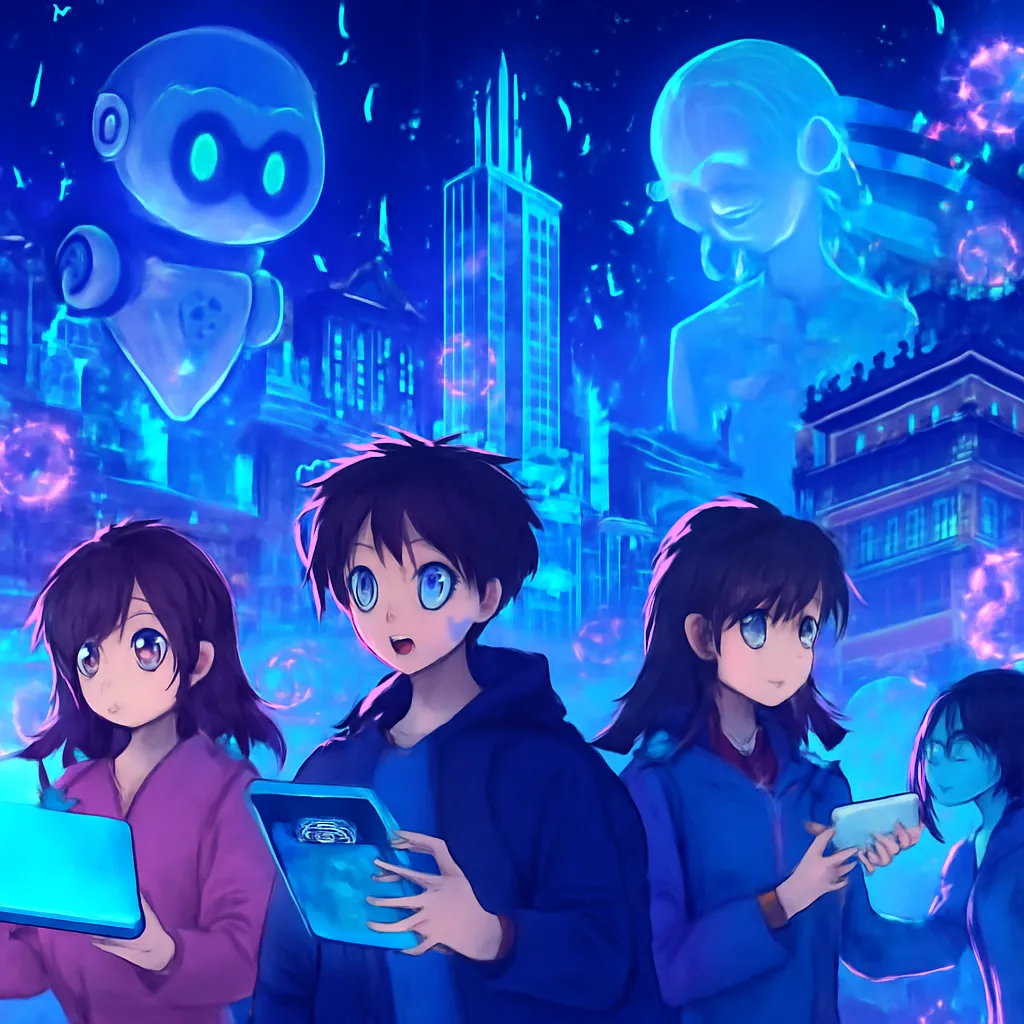
Last month, I found myself asking my AI assistant to draft a dinner apology text for burning the lasagna (spoiler: it worked). That made me wonder—if my digital sidekick can handle my social mess-ups, what else is it quietly transforming behind the scenes? AI content generators, once the stuff of sci-fi, are now everywhere: churning out blog posts, automating invoices, spinning up social captions (yes, even those witty hashtags you keep scrolling by). But that’s only scratching the surface. Today, I’m taking you inside the unpredictable, sometimes hilarious, always evolving world of AI-powered content creation.
Confessions of an Accidental AI Writer
I never set out to become an AI writer. In fact, I was the person who rolled their eyes at the idea of an AI writing assistant taking over the creative process. My words were my own, thank you very much. Or so I thought—until one lazy afternoon when I decided to experiment with an AI content generator for a quick social media post. I figured, why not? If nothing else, it would be a fun way to see what all the hype was about.
What happened next still makes me laugh. That AI-generated post—crafted in seconds with just a few prompts about my brand—ended up outperforming my carefully written, manually polished updates. More likes, more shares, more comments. I stared at the analytics in disbelief, a mix of pride and panic swirling in my chest. Was this the beginning of the end for my own creative voice? Or the start of something new?
That wasn’t a one-off fluke, either. The next time I needed a blog post, I let the AI have a go. I watched as it spun out a draft in less time than it took me to refill my coffee. Sure, I tweaked it here and there, but the bones were solid—and, embarrassingly, it performed better than my own “from scratch” version. That’s when it hit me: maybe this machine magic wasn’t a threat to my creativity, but a tool to amplify it.
Still, I wrestled with the idea. There’s something deeply personal about writing—about letting your thoughts spill onto the page, about crafting sentences that sound like you. Handing that over to an algorithm felt, at first, like giving away a piece of myself. I worried that if I leaned too hard on AI content generators, my work would lose its soul. But then, as I explored platforms like GetAssistants.ai, I realized these tools weren’t here to replace me. They were here to help me work smarter, not harder.
Modern AI writing assistants can do so much more than just spit out words. They check grammar, suggest SEO tweaks, and even help create templates for everything from newsletters to video scripts. Some, like Assistants.ai, offer multilingual support, affiliate systems, and real-time analytics. Research shows that using AI content generators can boost productivity and engagement for creators—something I experienced firsthand, even if I was reluctant to admit it at first.
‘At first, I worried the AI would steal my creative thunder, but instead, it turned out to be my secret superpower.’ – Jane Doe
I’ll admit, there’s still a strange mix of anxiety and satisfaction when I hit “generate” and watch the algorithm do its thing. But as I’ve learned to let go—just a little—I’ve found that my creative process isn’t diminished. If anything, it’s been quietly transformed.
The Wild World of AI Templates and Multilingual Mayhem
Let me be honest: I never set out to become an evangelist for AI content creation. My first brush with these tools was pure necessity—one too many late nights wrangling newsletters, invoices, and the occasional legal doc. I was desperate for a shortcut. Enter the universe of custom AI templates, where you can automate everything from invoice generation to full-blown AI newsletter creation with just a few clicks. It felt like magic, or maybe a little bit like cheating.
At first, I stuck to the basics—English newsletters, standard formats. But curiosity got the better of me. What if I tried the “multilingual” button? Suddenly, my monthly update was rolling out in Italian, then Japanese. I’ll never forget the day Luca Bianchi, one of our Italian clients, replied:
‘Our Italian clients joked our newsletters now sound more Italian than we do!’ – Luca Bianchi
That’s when it hit me: AI multilingual content isn’t just about translation. It’s about resonance. The AI didn’t just swap words—it adapted tone, idioms, even the rhythm of the sentences. I sent a screenshot to our team. The subject line in Japanese was so on-point, our Tokyo partner thought I’d hired a local copywriter. (Spoiler: I hadn’t.)
Of course, this led to a minor existential crisis. What does “brand voice” even mean when AI can morph it for every language and culture? I used to obsess over getting the tone just right, but now the AI was doing it better—sometimes eerily so. I started experimenting: legal templates, customer care replies, affiliate program emails. Each time, the AI’s custom templates adapted, saving me hours and—let’s be real—my sanity.
But it’s not just me. Marketers everywhere are scrambling to adopt these tools. Research shows that customizable templates and multilingual support enable brands to localize content efficiently, reaching audiences in over 140 languages. The industry-wide push for AI content creation is real, and it’s not just about speed. It’s about unlocking new markets, personalizing at scale, and keeping up with a digital world that never sleeps.
- Custom AI templates now cover everything from blog posts and social media captions to video scripts and payment reminders.
- AI newsletter creation tools let you input your brand, product, or idea—and out comes a unique, engaging piece of content in seconds.
- Multilingual AI content isn’t a luxury anymore; it’s a necessity for global brands.
Honestly, I’ve learned to let go. I don’t need to micromanage every word. With AI as my co-pilot, I can focus on strategy, creativity, and—occasionally—marvel at how my “voice” now speaks fluent Italian, Japanese, and, who knows, maybe Swahili next month.
Follow the Money: Affiliate Hustles, Pricing Puzzles, and the Curious Economics of AI
Let’s be honest: I didn’t set out to become an affiliate marketer. I just wanted to see if an AI content generator could help me write blog posts faster. But somewhere between testing templates and watching my referral dashboard tick upward, I realized I was knee-deep in a new kind of hustle—one powered almost entirely by AI.
The first time I got an affiliate payout notification, I had to double-check the numbers. Total Referrals: $3980. That’s not a typo. It’s the kind of side quest that sneaks up on you while you’re busy chasing the next big idea. I’d shared a link to an AI writing assistant—something like GetAssistants.ai, which offers everything from SEO copywriting and social media post generation to full-on newsletter creation. I figured a few clicks, maybe a coffee’s worth of commission. Instead, the AI affiliate system quietly tracked every signup, every dollar spent, and every conversion, all while I was off writing my next post.
Here’s the kicker: I almost forgot it was all powered by AI. The platform handled everything—user spending tracking, payment processing through secure gateways, even multilingual content generation. I could peek at my dashboard and see not just who signed up, but how much they spent, what templates they used, and which features kept them coming back. It was like having a business partner who never slept and never missed a detail.
But let’s talk about AI tools pricing for a second. “Cost-effective” is the buzzword, but it doesn’t always mean “cheap.” Sure, some AI content solutions offer free trials or low-cost starter plans. But if you want advanced features—custom templates, coding assistance, or deep SEO integration—the price can climb fast. I’ve seen plans that start at a few bucks a month and others that rival my phone bill. The real trick is finding cost-effective AI solutions that actually deliver value for your workflow, not just a lower price tag.
What’s wild is how these platforms have turned into full-on business machines. Built-in referral and affiliate systems, robust payment processing, and detailed user behavior analytics—these aren’t just add-ons. They’re the engine. Research shows that integrated affiliate and referral systems are creating new monetization opportunities for creators like me, and honestly, it’s a game-changer.
Sometimes, the financial side quests are the most surprising. My most lucrative payout? It came from a country I’d never even visited. As Sam Tran put it:
‘The affiliate dashboard told me I made a sale in a country I can’t even spell, and I still haven’t figured out how.’
That’s the curious economics of AI: you set the system in motion, and suddenly, you’re earning in ways you never expected. The lines between creator, marketer, and entrepreneur blur, all thanks to a few lines of code and some very clever AI.
Beyond Words: How AI Tackles Video Scripts, Coding Help, and Social Content
When I first started using AI content generators, my expectations were simple: punch in a blog topic, get a draft, tweak it, and hit publish. But somewhere between my third “how-to” post and a late-night coding session, I realized these tools had quietly evolved. AI wasn’t just helping me write blog posts anymore—it was scripting my videos, debugging my code, and even brainstorming social media captions I’d never think of on my own.
Let’s talk about AI video generation for a second. I remember feeding a rough outline into my AI assistant, expecting a bland, robotic script. Instead, it handed me a quirky intro and, to my surprise, a punchline that actually made me laugh. It was the kind of creative nudge I didn’t know I needed. The boundary between my own ideas and the AI’s suggestions started to blur. Was I still the sole creator, or was I now collaborating with my digital co-pilot?
The same thing happened with AI coding assistance. I’d been stuck on a bug for hours—staring at the same lines of code, convinced I’d checked everything. Out of curiosity (and maybe a little desperation), I pasted the code into my AI tool. Within seconds, it flagged the error I’d missed. As Priya Nair put it:
‘Magic AI caught a code error I’d been staring at for hours—maybe it deserves a coffee break more than I do.’
That moment changed the way I approached coding. Now, AI isn’t just a backup plan—it’s my first line of defense. It’s like having a patient, always-available mentor who never gets tired of my questions.
But the real magic happens in the “AI kitchen,” where content for every platform gets cooked up. Need a batch of AI social media posts? Just drop in your topic, and the AI spits out captions, hashtags, and even image suggestions. I used to agonize over the perfect Instagram caption or Twitter thread. Now, I get a buffet of options in seconds, each one optimized for engagement and reach.
What’s wild is how these platforms—like GetAssistants.ai—combine AI content optimization and AI content research behind the scenes. They analyze trends, track user behavior, and even suggest tweaks to boost SEO. I can create custom templates for newsletters, video scripts, or blog posts, all tailored to my brand’s voice. And if I want to switch languages or adapt content for a new market, it’s just a click away.
Research shows that AI platforms now offer support beyond writing, from coding to video and social content creation. For creators and marketers, this means more time to focus on big ideas—and less time lost to busywork. The AI workforce is here, and honestly, it’s reshaping how I think about creativity itself.
Imperfect Perfection: Learning to Welcome the Quirks and Surprises of AI Collaboration
Let’s be honest—when I first started using AI content marketing tools, I expected machine-like precision. Clean, logical sentences. No surprises. But the reality? Generative AI tools have a mind of their own (well, sort of). Sometimes, they toss out a phrase so odd or a script suggestion so surreal, I have to pause and laugh. At first, I saw these quirks as mistakes. Now, I see them as the secret sauce that makes AI collaboration genuinely creative.
Take, for example, the time I was working on a social media campaign for a quirky new product. I fed my idea into an AI content generator, expecting a punchy caption. Instead, the tool delivered a line that made no sense—at least, not at first. It was playful, a little nonsensical, and totally off-brand. But after a second look, I realized it was exactly what the campaign needed: something unexpected to break through the noise. That “mistake” became the post that got the most engagement. Research shows that these creative quirks in generative AI outputs can lead to unexpected wins for marketers. Sometimes, imperfection is the real innovation.
It’s not just about captions, either. I’ve used custom AI templates to draft newsletters, video scripts, and even legal disclaimers. Each time, the AI brings something a little different to the table—maybe a surprising turn of phrase or a fresh angle I hadn’t considered. These happy accidents have become a regular part of my workflow. I’ve learned to welcome them, not fight them. The best part? With modern AI content research tools, I can track what works and refine my approach, blending the best of human intuition with machine unpredictability.
Of course, there are moments when AI’s quirks go a bit too far. I once received a product description that sounded more like a sci-fi plot than a sales pitch. But even then, it sparked a new idea for a campaign theme. It’s a reminder that, as April Kane puts it,
‘Sometimes, what looks like an AI glitch is really a shortcut to originality.’
Will generative AI tools ever truly capture that perfectly imperfect human touch? Maybe not. But maybe that’s the point. The magic happens in the gaps—the little surprises, the oddities, the “hallucinations” that make us stop and think. As AI content marketing evolves, I’m learning to let go of the need for perfection and embrace the creative chaos. After all, the best ideas are often the ones we never saw coming.
So, if you’re diving into AI content creation, don’t be afraid of the quirks. Celebrate them. Let the unpolished brilliance of AI collaboration surprise you. Who knows? Your next big win might just start with a happy accident.
TL;DR: AI tools are radically altering how we generate, share, and monetize content—from multi-language newsletters to seamless affiliate systems—with a blend of time-saving, quirky, and surprisingly human results. Whether you’re a marketer or just curious, these platforms might just become your new digital co-pilot.


Comments
Post a Comment